What each month of the Southeast Alaska season offers, from an operator who has worked all of them since 1978.
Late June through mid-August offers the most daylight, the warmest temperatures and the fullest tour schedule. May and September are the alternative if you would rather have shorter days in exchange for a quieter port. Alaska Travel Adventures has run day tours out of Juneau, Ketchikan, Sitka and Skagway since 1978, and publishes a season of late April through early October on its tour pages.
That is the short answer to when the best time to visit Alaska is, and the more useful one is that ‘best’ depends on what you came for. A photographer chasing long light tends toward late June. A family with school-age children is usually locked into July. Someone hoping for a calmer Mendenhall Glacier might look at the first or last weeks of the season. The months are different enough from each other that it’s worth knowing what you’re choosing, and this guide covers what each one offers.
How Long Is the Alaska Tour Season?
Five and a half months, from late April to early October, with the heart of it running May through September. Individual ATA tour pages list their own windows: most say late April through early October, while the Mendenhall Glacier Float Trip runs late May through September.
Southeast Alaska’s season is shaped by two things: the cruise schedule and the weather. Ships arrive in the Inside Passage from late spring and taper off in early fall, and the weeks at either end are when a port tends to feel most like a working town.
What Does Each Month of the Alaska Season Look Like?
May: a full season without the peak. Tours are running, trails are open, and the season is still building. May is also among the drier months of the year in Juneau, averaging 3.51 inches of precipitation against September’s 9.15, per NOAA’s 1991 to 2020 climate normals for Juneau International Airport. The National Weather Service Juneau office describes the region’s dry season as late spring and early summer, which is a detail most Alaska itineraries leave out.
June: the light. Daylight in Juneau reaches 18 hours and 18 minutes at the summer solstice, per NWS Juneau. That changes what a day can hold. A 6.25-hour tour still leaves most of an evening. Precipitation stays moderate at 3.82 inches for the month.
July: the warmest. NWS Juneau puts the average daily maximum peak in July at 63.8°F. Precipitation climbs to 5.14 inches. This is the busiest stretch of the season, so if July is your window, booking your preferred departure time early is the practical move.
August: salmon in the creeks. Streams fill with spawning salmon through late summer, and ATA notes bears among the wildlife guests may see along the shoreline on several tours. It is also when the walk at the Gold Creek Salmon Bake past Salmon Creek Falls is at its best. Rainfall rises to 6.41 inches.
September: the trade. The wettest month of the season at 9.15 inches, and the tail end of it. Daylight drops to around 12 to 13 hours, and tours continue into early October. September suits travelers who would rather bring a good raincoat than share the trail.
What Do Alaska Tour Prices Say About When the Season Peaks?
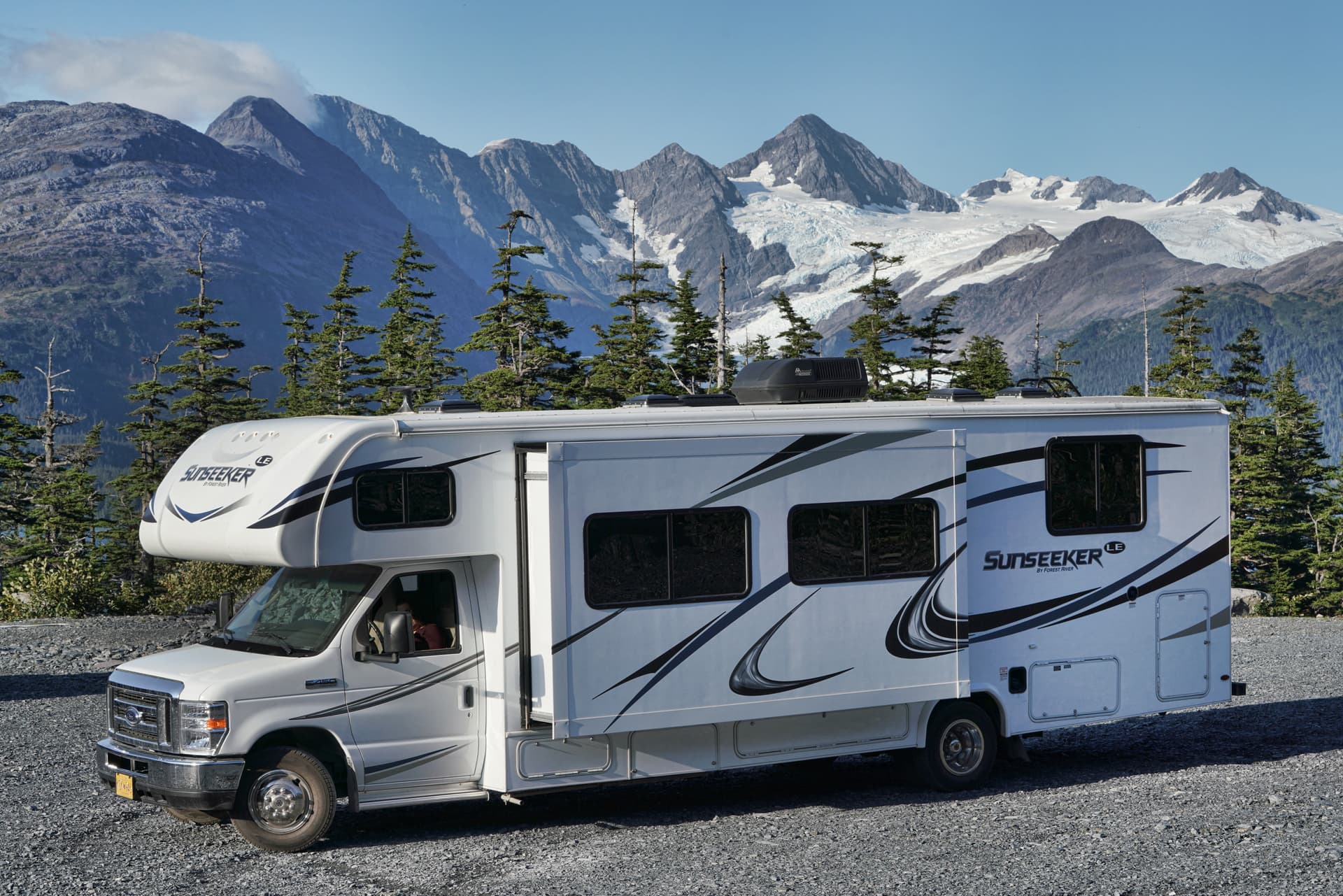
ATA’s RV rental rate calendar is the clearest seasonal signal the company publishes. A standard motorhome is listed at $199 per night from May 1 to June 14, $349 from June 15 to August 15, then back to $199 from August 16 to September 30.
That is a 75 percent difference, set by a company that has been watching Alaska demand since 1978. Our read: the eight weeks between June 15 and August 15 are where most travelers want to be. If your dates are flexible, the weeks either side of that window are worth a look, with comparable daylight and wildlife at the lower published rate.
Day tours are priced consistently across the season, so the shoulder advantage there is availability and choice of departure time rather than a lower rate.
Which Month Is Best for Whale Watching?
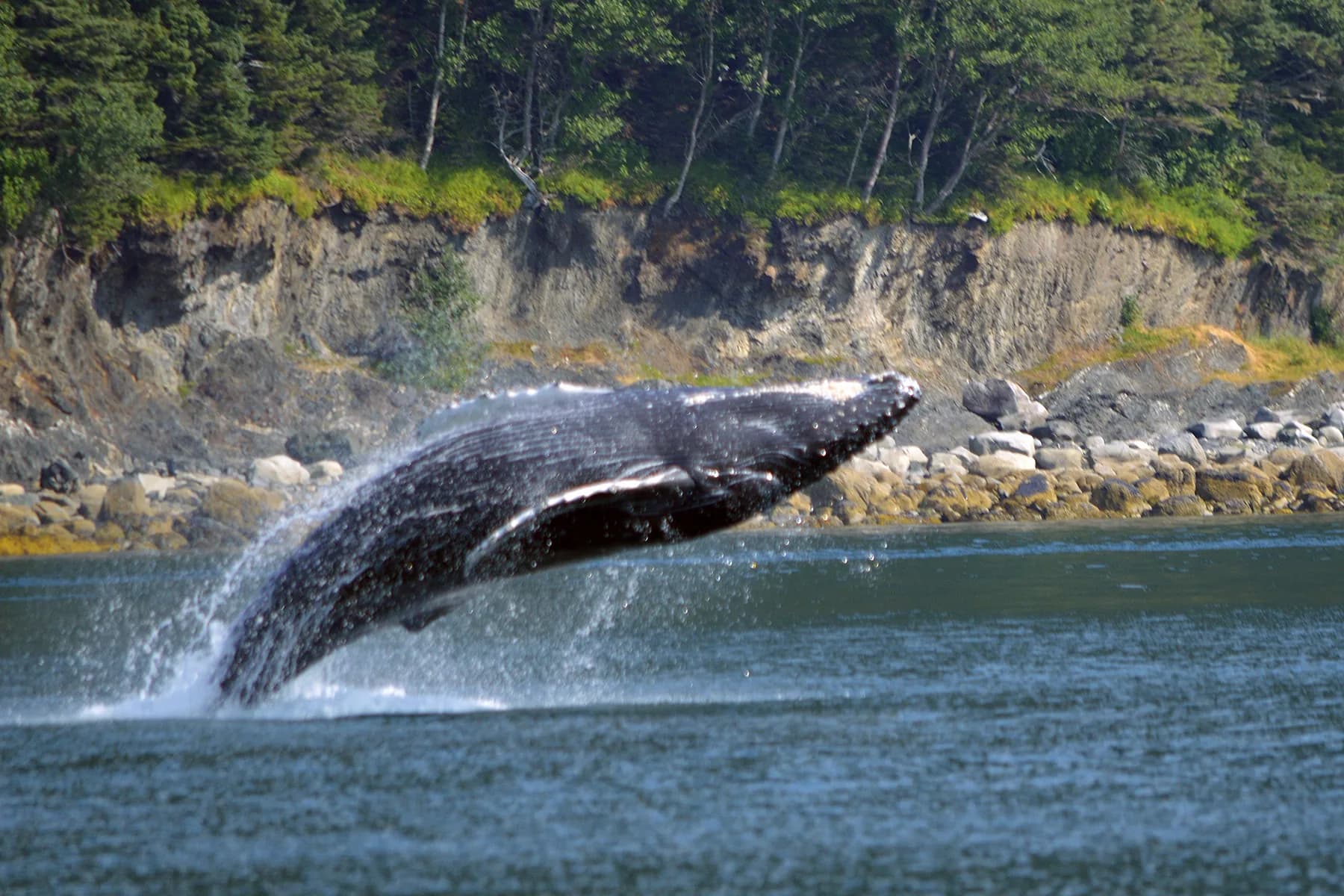
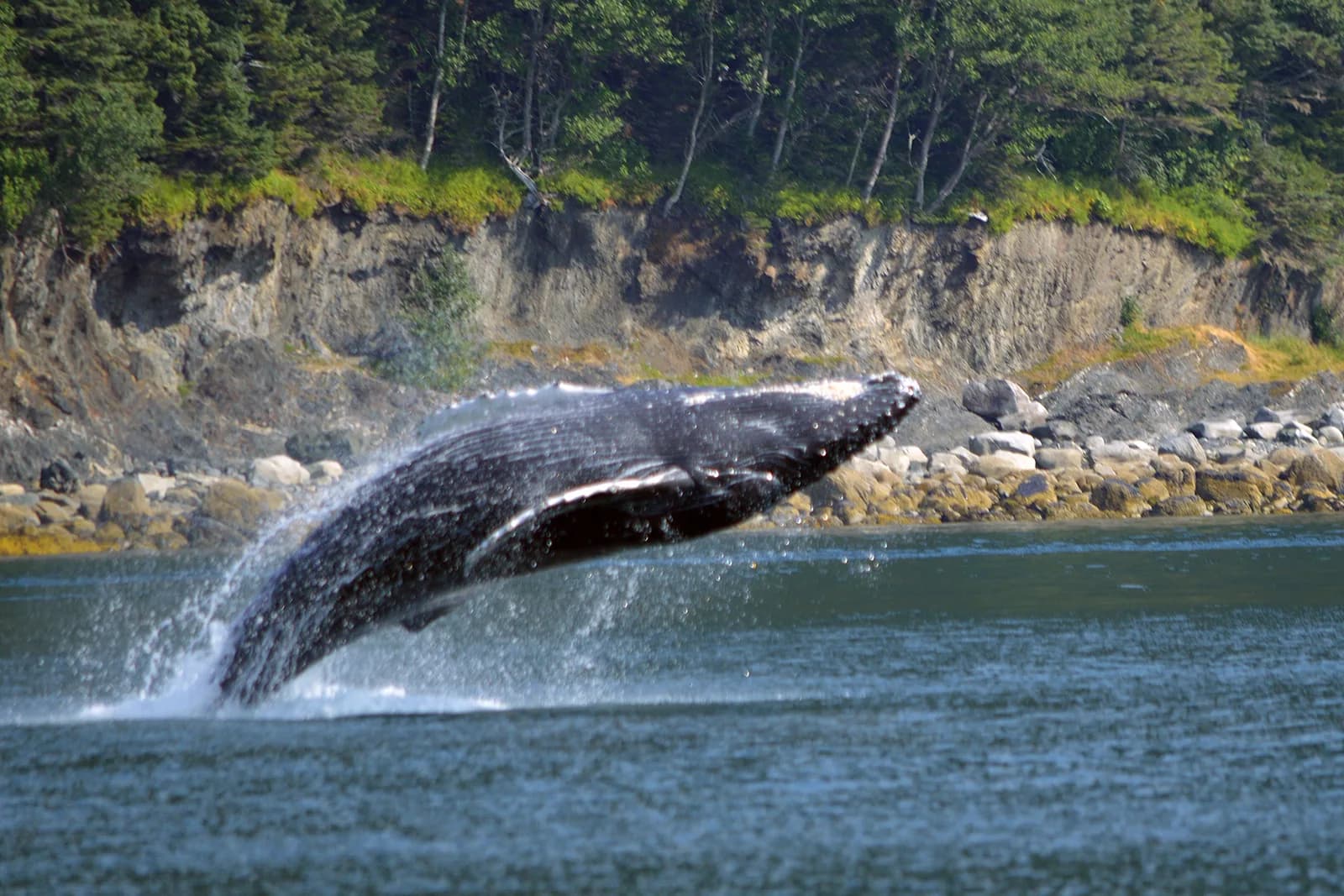
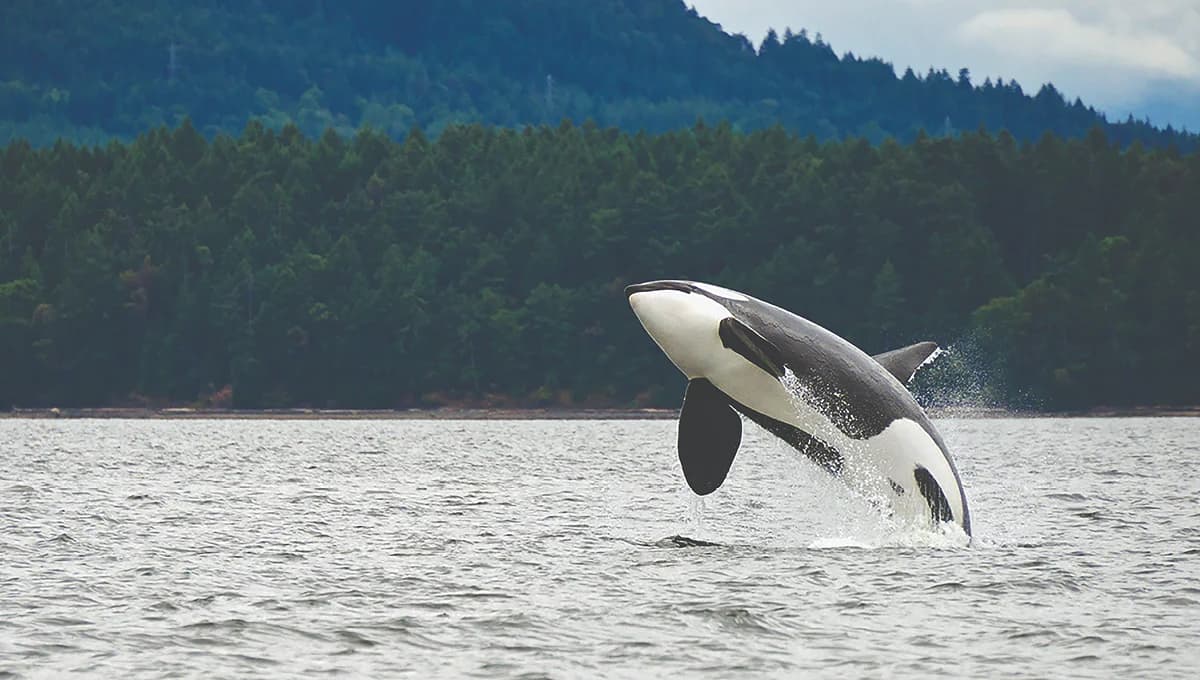
Any month of the active season. Humpbacks and orcas are a near-daily sight in Auke Bay and Stephens Passage from May through September. Roughly 65 humpbacks return to Juneau’s waters each season to feed, and ATA guarantees sightings on its whale watching tours: no whale means a $100 refund for adults and $50 for children.
That guarantee is why the best-month question matters less here than most travelers expect. Whales are the reason many people pick a month, and in Southeast Alaska it is one of the few variables you do not need to optimize. The 3.75-hour Whale Watching Adventure is $189, and the 5-hour version with the salmon bake is $239.
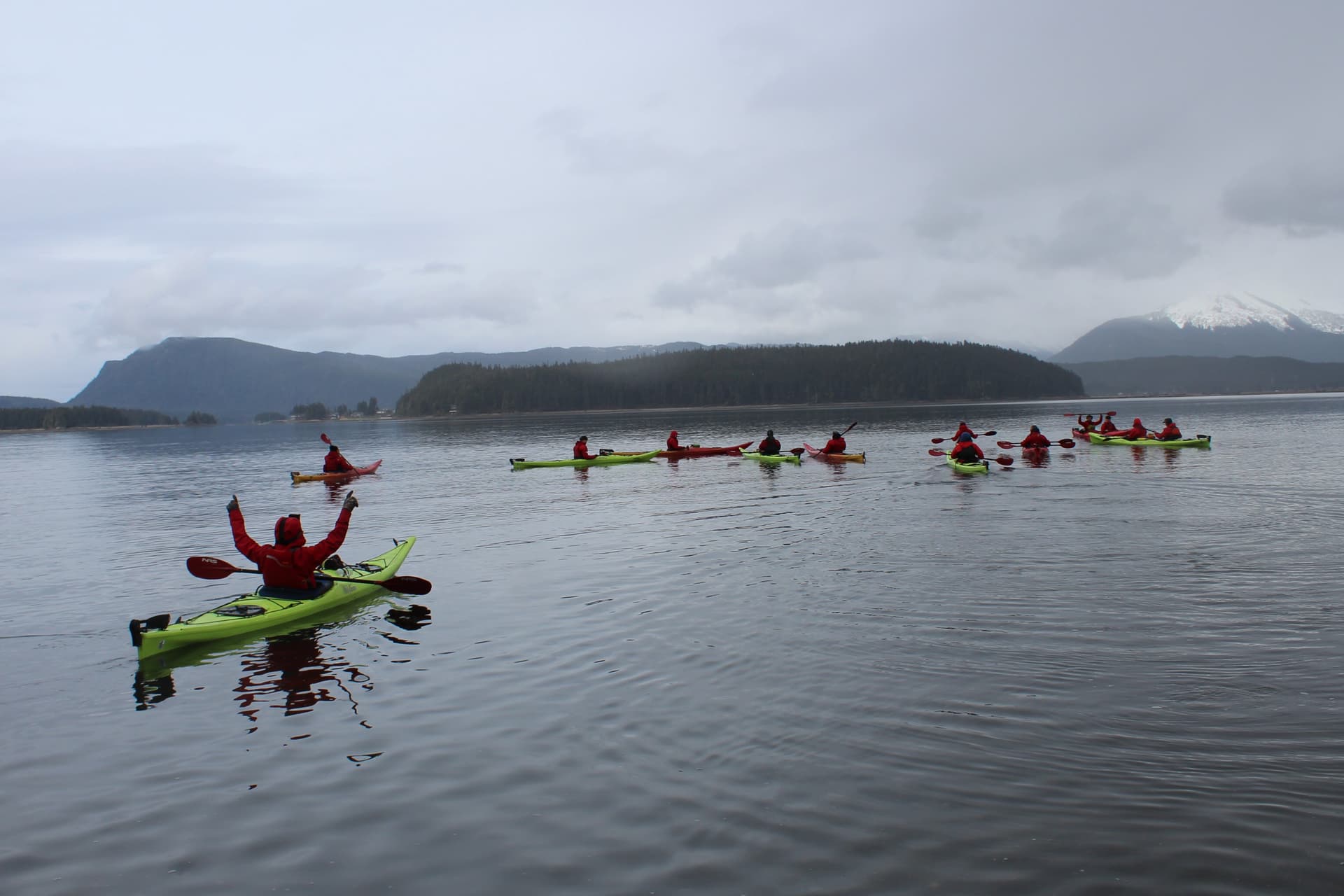
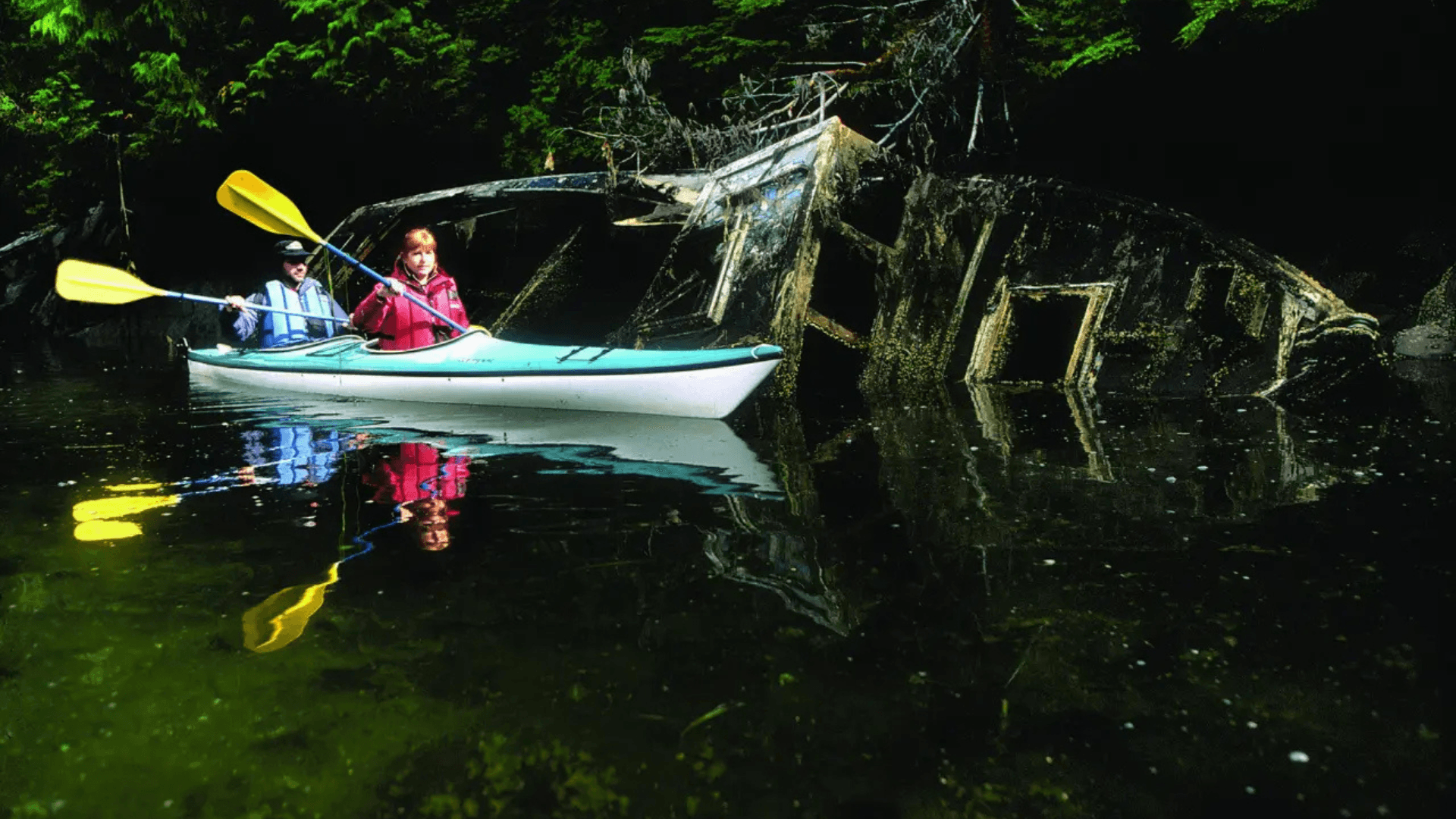
Other wildlife does shift with the calendar. Bears become easier to spot as salmon fill the creeks in mid to late summer. Bald eagles, sea otters and Steller sea lions are around throughout, and Sitka’s Wilderness Sea Kayaking route through Camp Coogan Bay is a good place to see them at eye level.
Rain Is Not the Same Everywhere in Southeast Alaska
Where you go matters as much as when. NWS Juneau reports that Skagway averages around 18 inches of precipitation a year, Juneau around 54 inches at the airport and over 90 inches downtown, and parts of southern Baranof Island around 150 inches.
So a regional forecast tells you relatively little about your specific port day. Skagway, set at the head of a steep-walled valley below the White Pass, is among the drier towns in the Panhandle. Ketchikan sits inside the Tongass National Forest and gets the weather that comes with a temperate rainforest.
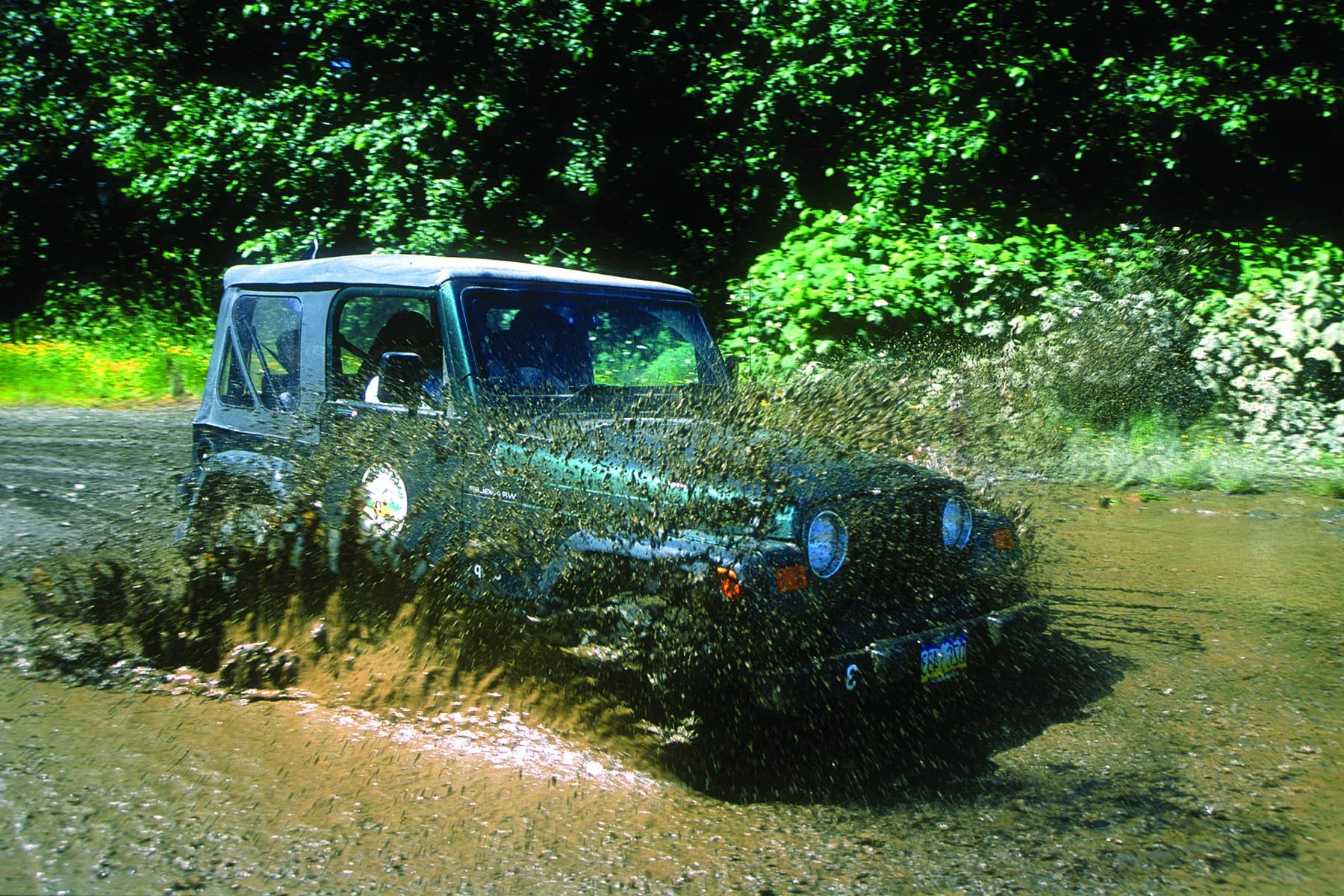
The practical response is not to chase a dry month but to choose tours that work wet. ATA notes that its tours operate in most weather conditions, the Backcountry Jeep & Canoe Safari includes a poncho, and the salmon bake seats guests under heated translucent domes. Every tour page lists what is provided, and rain gear, boots and life vests are included on the water-based tours.
Matching the Month to the Trip You Want
| If you want | Aim for |
|---|---|
| Long daylight and photography | Late June |
| Traveling with school-age children | July |
| A quieter port | May or late September |
| Best published RV rates | May 1 to June 14, or August 16 to September 30 |
| Salmon in the creeks and better bear odds | Mid-July through August |
| Whale watching | Any month, May through September |
| Autumn in the Tongass | September |
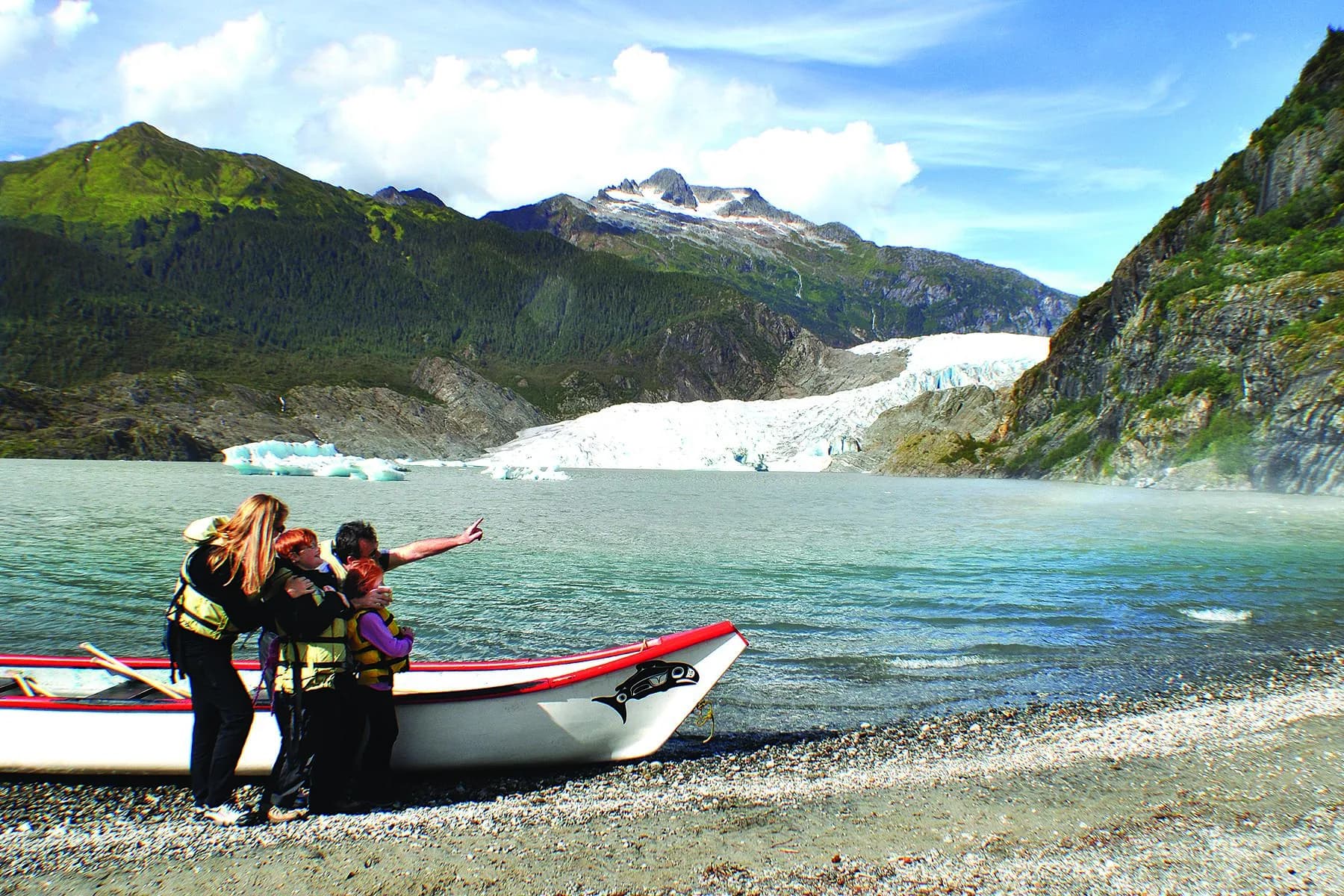
A few of those deserve a sentence. For long light, the Mendenhall Lake Kayaking Adventure runs under a limited U.S. Forest Service permit near the glacier face and Nugget Falls, and late June is when that paddle gets the most out of the evening. For families, child rates apply to ages 12 and under across nearly every tour, and the Best of Juneau® at $279 adult and $199 child fits glacier, whales and dinner into 6.25 hours. For an RV trip, rates run May 1 to September 30 out of the Anchorage Ship Creek RV Park, and ATA has written separately on when to book an RV rental.
Choosing Your Month, Then Your Port
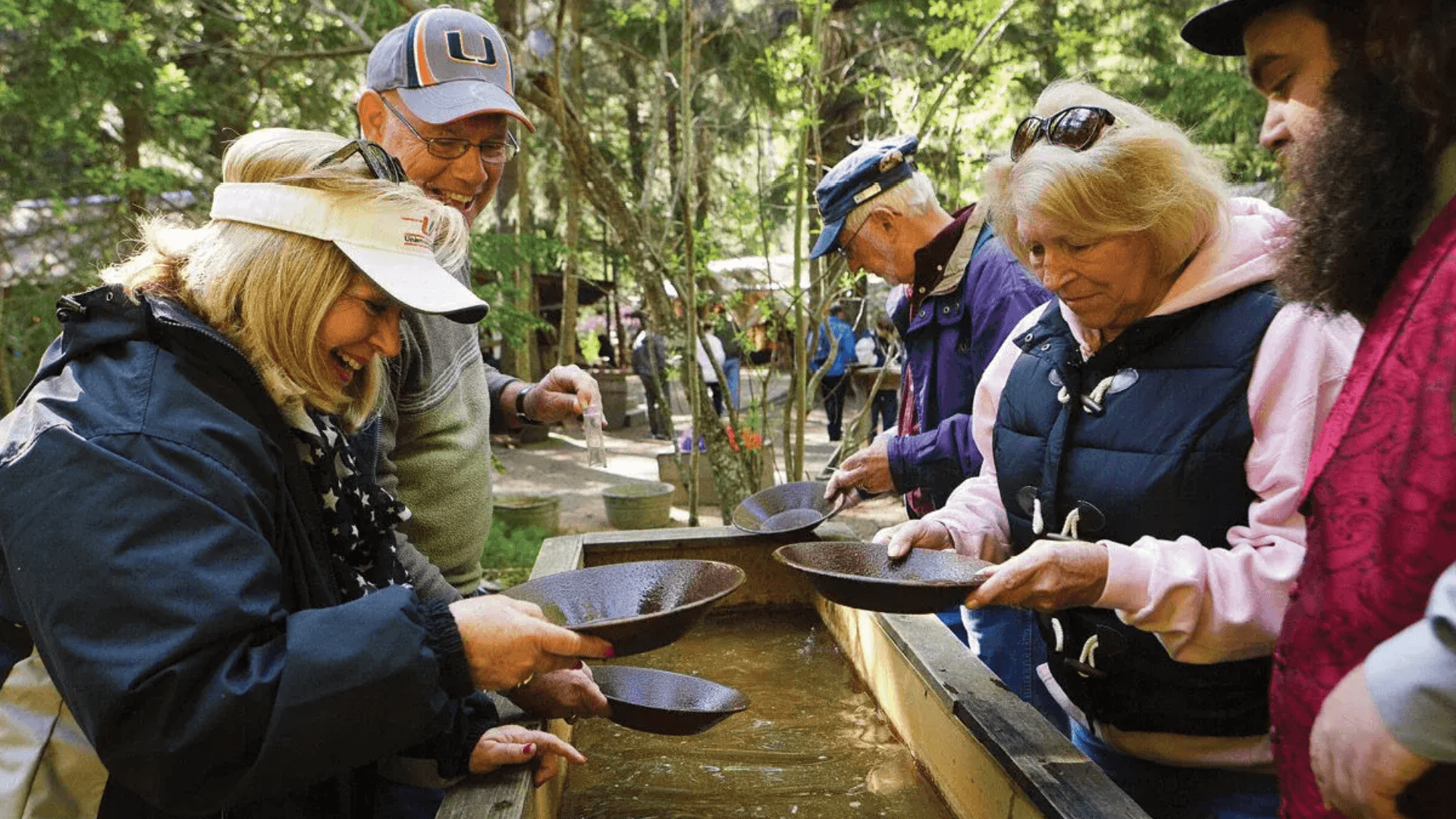
Start with what you want to see, work back to a month, then choose the port that delivers it. Glaciers and whales point to Juneau and its 11 tours. Rainforest and off-road driving point to Ketchikan. Quiet water points to Sitka. Gold rush history points to Skagway.
Every tour page lists its own season window, duration, meeting point, age minimums and what is included, so you can check a specific date against a specific experience rather than working from a regional average.
Plan Your Alaska Season
Now pick the version of Alaska you want to see. Whether that is a humpback surfacing off Auke Bay in June, a paddle past Nugget Falls in the long July light, or wild salmon over an alderwood fire in September, we would be glad to help you plan it.
Browse the day tours in Juneau, Ketchikan, Sitka and Skagway, or call our reservations team in Juneau at 800-323-5757 and tell us when you are hoping to travel. We will walk you through what that week actually looks like, what to expect on the day, and which experience fits the group you are bringing. Making Alaska well organized and worth the trip is what we have been doing here since 1978.
Frequently Asked Questions
When Is the Best Time to Visit Alaska?
Late June through mid-August offers the most daylight, the warmest temperatures and the fullest tour schedule in Southeast Alaska. May and September bring shorter days and, in September, more rain, but a quieter port. Alaska Travel Adventures publishes a season of late April through early October on its tour pages.
How Many Hours of Daylight Does Alaska Get in June?
Juneau reaches 18 hours and 18 minutes of daylight at the summer solstice, according to the National Weather Service Juneau forecast office. Southeast Alaska does not get the true midnight sun of the Arctic, but June evenings stay bright late enough that a full-day tour still leaves usable hours afterward.
What Is the Rainiest Month in Southeast Alaska?
Within the tour season, September, averaging 9.15 inches at Juneau International Airport per NOAA’s 1991 to 2020 climate normals. May is the driest at 3.51 inches. Totals vary sharply by town: NWS Juneau reports Skagway averaging around 18 inches a year against over 90 inches in downtown Juneau.
Can You See Whales in Alaska in August?
Yes. Alaska Travel Adventures describes humpbacks and orcas as a near-daily sight in Auke Bay and Stephens Passage from May through September, with roughly 65 humpbacks returning to Juneau’s waters each season to feed. August also brings spawning salmon into the creeks, so it is a strong month for wildlife generally. Sightings are guaranteed on ATA’s whale watching tours.
Is September a Good Time to Visit Alaska?
Yes, with the weather in mind. Tours run into early October, autumn arrives in the Tongass, and whale activity continues in Auke Bay and Stephens Passage. September is also the wettest month of the season at 9.15 inches in Juneau per NOAA normals, so waterproof layers matter more than they do in June.
How Far in Advance Should I Book Alaska Tours for 2027?
Alaska Travel Adventures does not publish a booking deadline, and most tours run multiple departures daily through the season. Our read: reserve peak-season dates between mid-June and mid-August earliest, since those fill first. Booking early carries little risk, because cancelling more than 14 days before your tour date returns a full refund.
When Is the Best Value Time to Visit Alaska?
The shoulder weeks. ATA’s published RV rates list a standard motorhome at $199 per night from May 1 to June 14 and August 16 to September 30, against $349 from June 15 to August 15. Day tour rates are consistent across the season, so the shoulder benefit there is availability and choice of departure time.